
The artwork
About this artwork
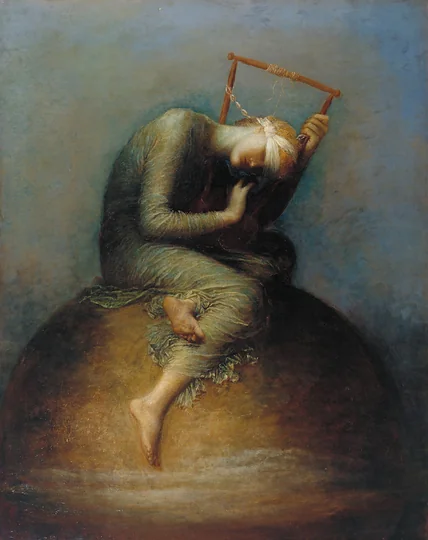
A female figure sits perched on a large, dark orb, her body angled downward as she embraces a wooden lyre. A thick, white bandage covers her eyes, obscuring her sight as she leans her head against the instrument. She wears a voluminous, diaphanous garment that pools around her legs and feet, blending into the muted browns and ochers of the globe. Her hands pluck at the single remaining string of the lyre, the only element capable of producing sound. Behind her, the background transitions from a deep, atmospheric blue at the top to a shadowy, indistinct dark space at the bottom, marked only by the faint, distant shimmer of a single star.
George Frederic Watts completed this oil on canvas in 1886. The artist departed from traditional Christian iconography, which conventionally depicted Hope with an anchor or a flower, to introduce deliberate ambiguity. By focusing on the figure's isolation and her reliance on a single, fragile string, he sought to create a more psychological representation of the concept. Watts's friend Emilie Barrington recorded that Dorothy Dene, whose given name was Ada Alice Pullen, modeled for the figure in 1885.
Watts produced two versions of the composition, with his assistant Cecil Schott helping to paint the second iteration in 1886. The artist sold the original work and donated the replica to the nation, where it is held in the collection of Tate Britain. While some contemporary reviewers criticized the painting, proponents of the Aesthetic Movement admired it, valuing beauty over narrative clarity. The imagery has remained significant, influencing later public figures and writers who drew upon the visual metaphor of enduring, fragile persistence.
Provenance & details
- Date created
- 1886
- Art movement
- Symbolism·Pre-Raphaelite and Aesthetic
- Subject / genre
- Allegory
- Original collection
- Tate Britain, London
- Available formats
- 183 museum-grade canvas, paper & framed editions
In the room
Gallery-worthy quality, made for you
Each print starts with an artist's original work. We use materials like quality paper, acrylic, and canvas that hold up over time, because art shouldn't be disposable.
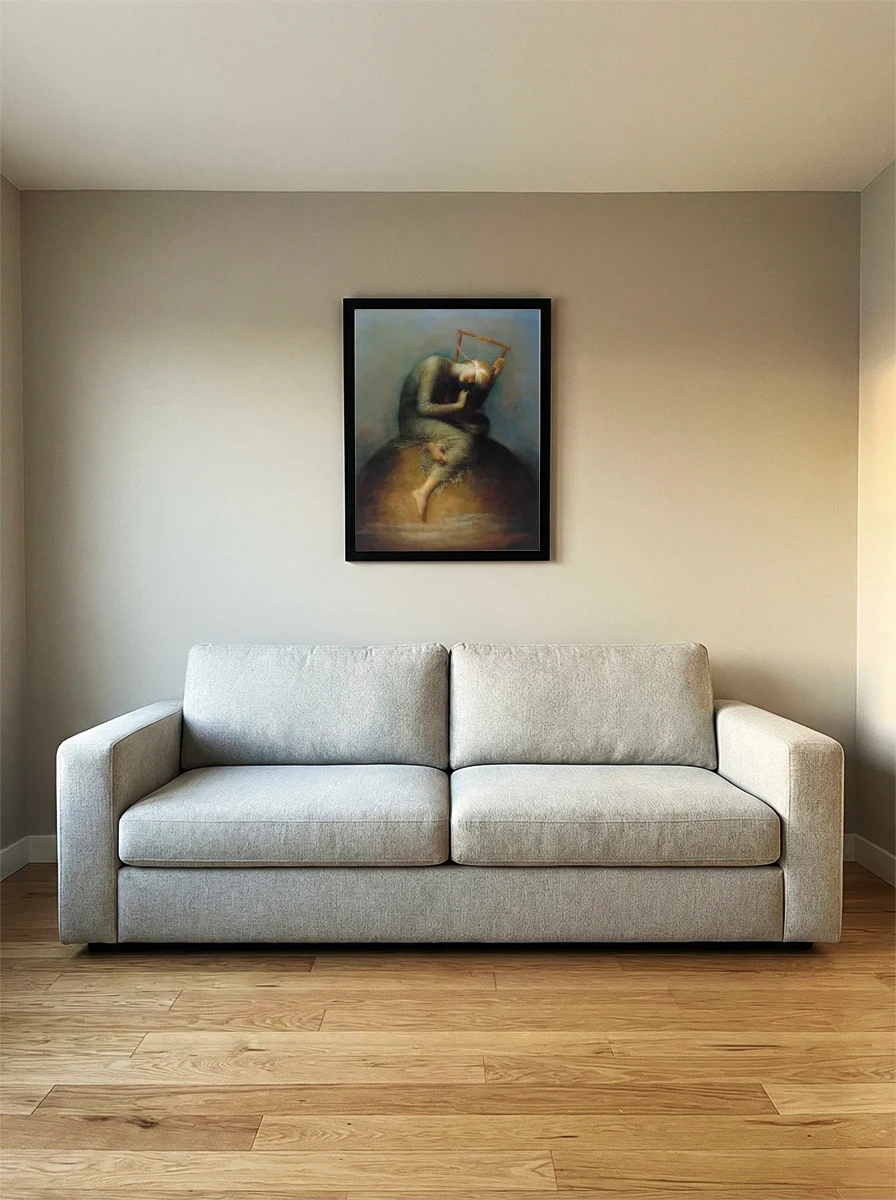
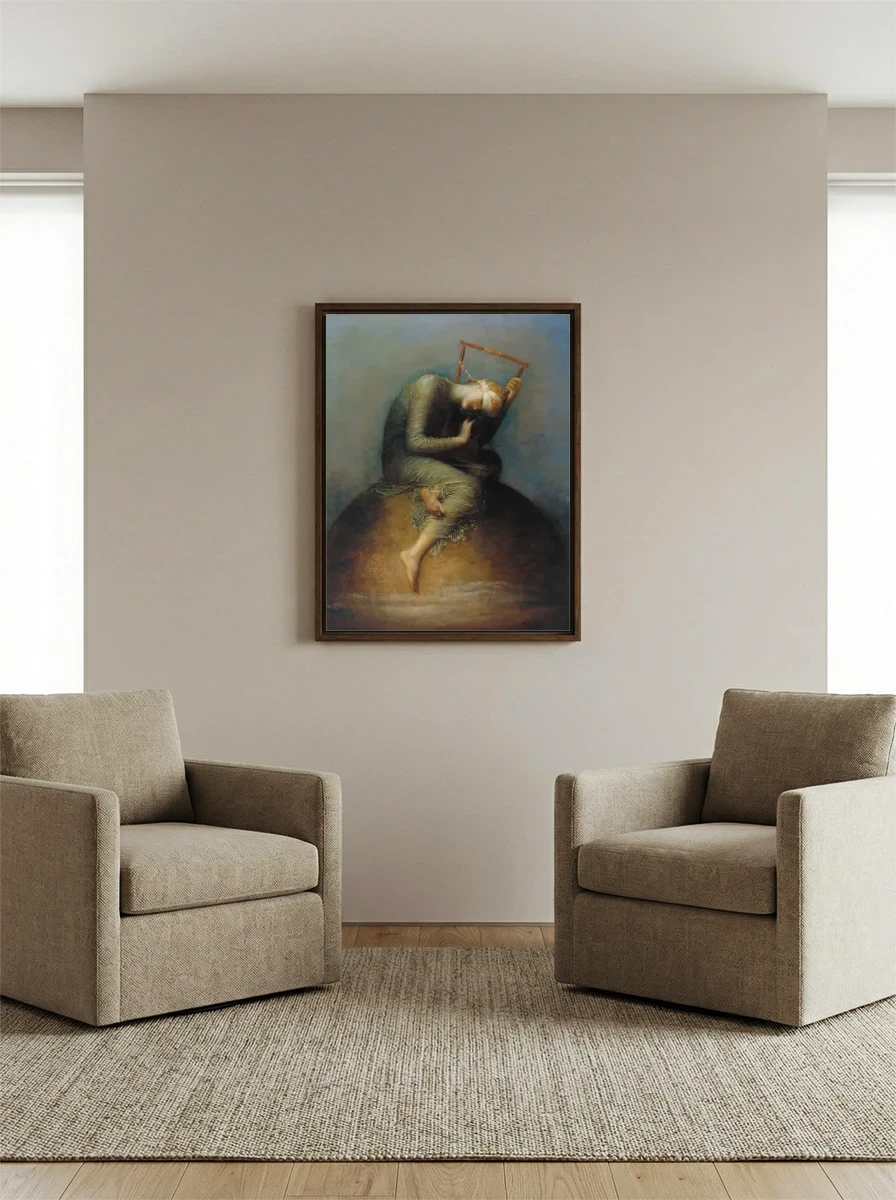
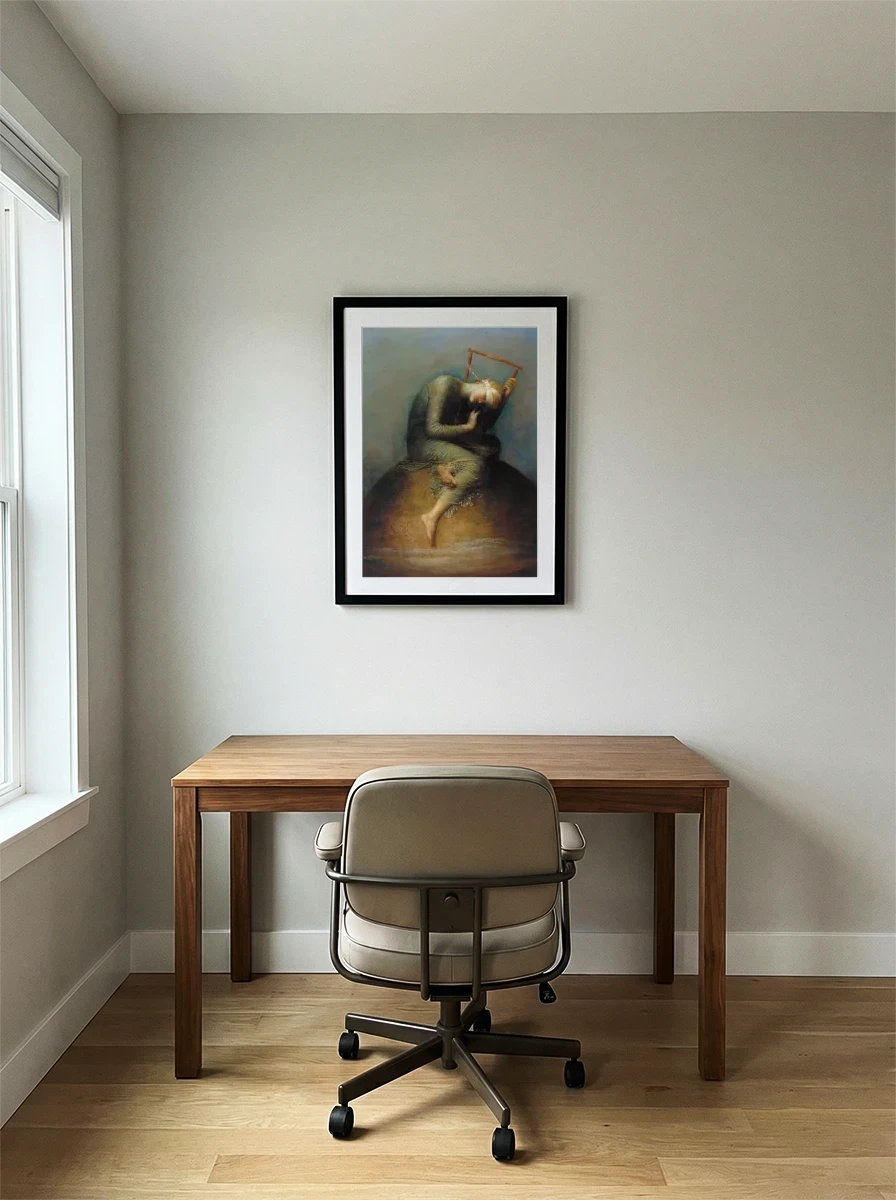
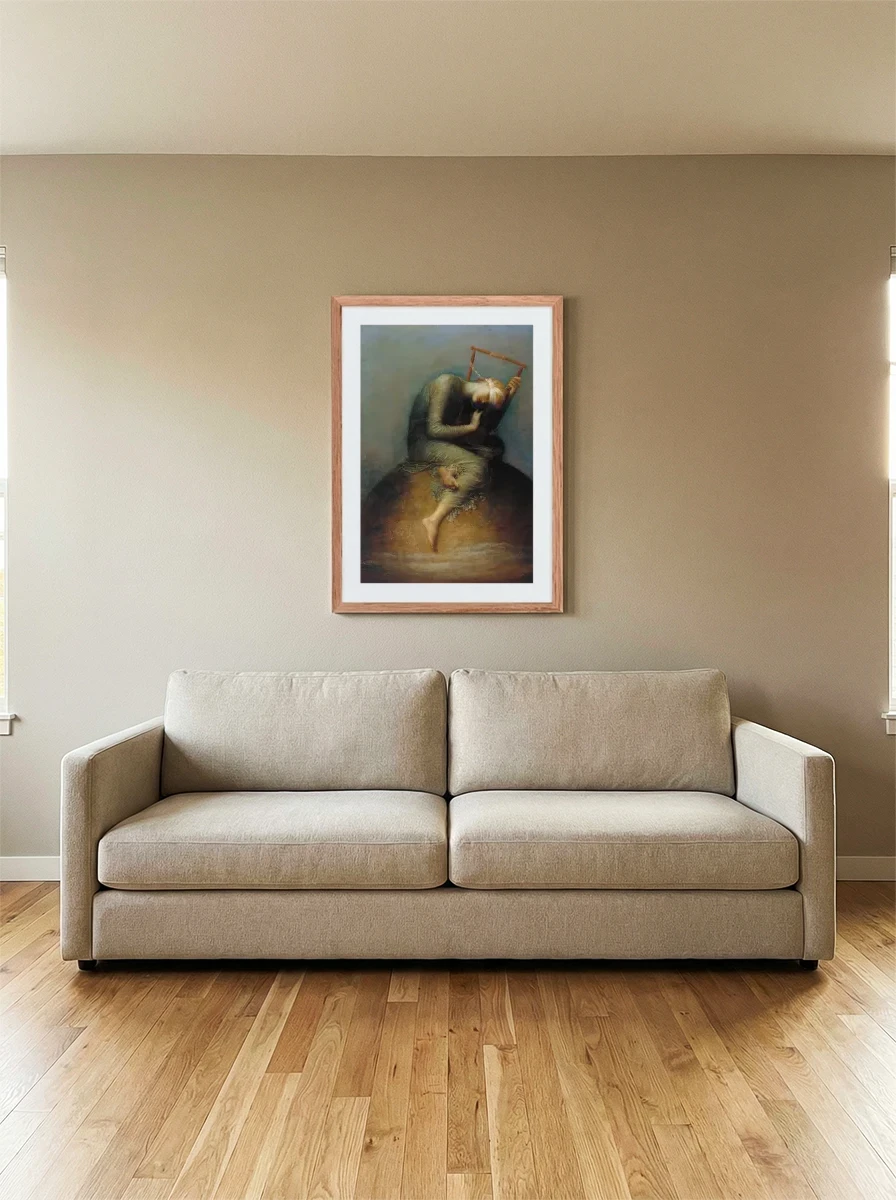
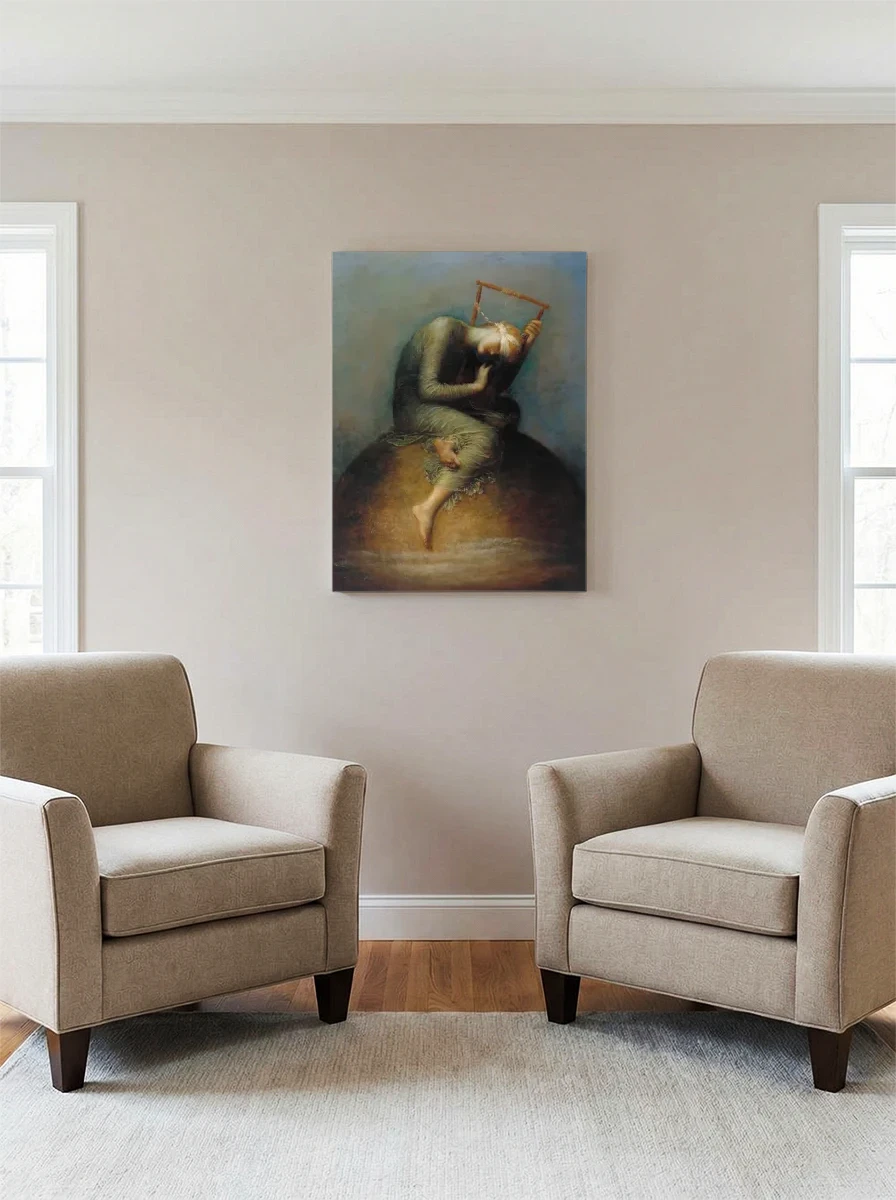
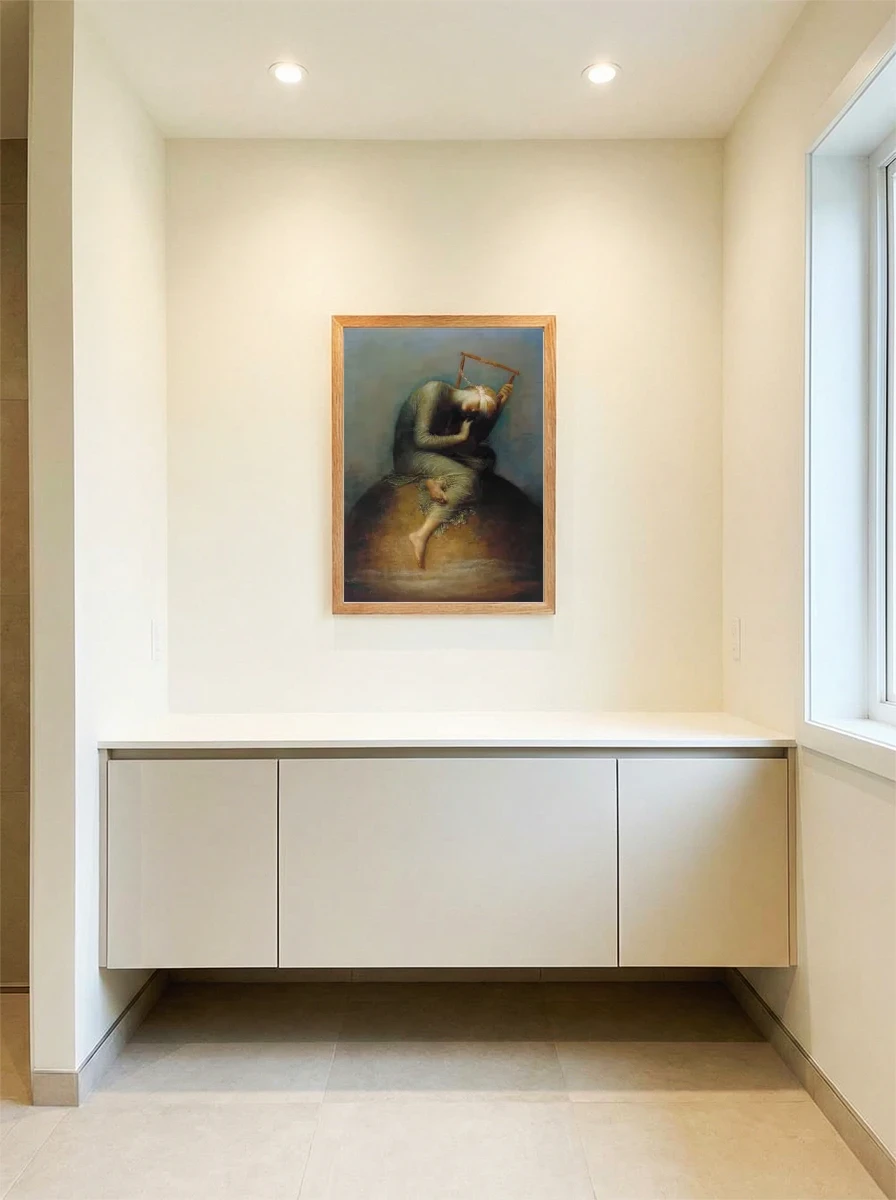
Art Visualizer
Preview Hope on your own wall
Upload or take a photo of your room to view Hope at true-to-life scale before ordering.
Size & craftsmanship
Sizing, framing & delivery
Hope is custom-printed to order in its portrait proportion using archival water-based inks on museum-grade paper, cotton-blend canvas, or brushed aluminum. Produced locally in 2–5 business days with worldwide tracked shipping.
Common sizes, drawn to scale in this painting's portrait orientation. Every painting page lists all the sizes it comes in.
Same artist
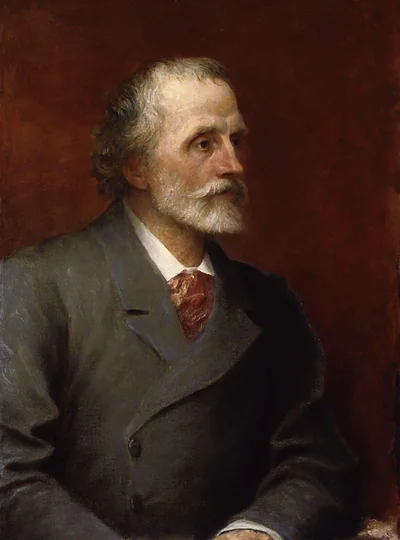
Find more by George Frederic Watts


Same movement
Discover more in Symbolism


Same museum
More from Tate


Customer reviews
Hear from our happy customers
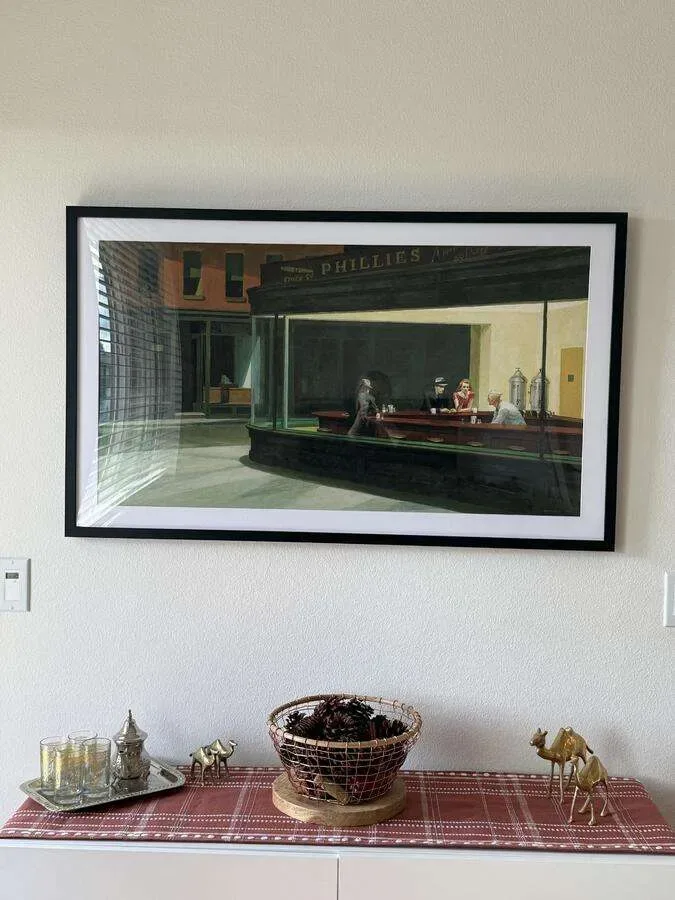
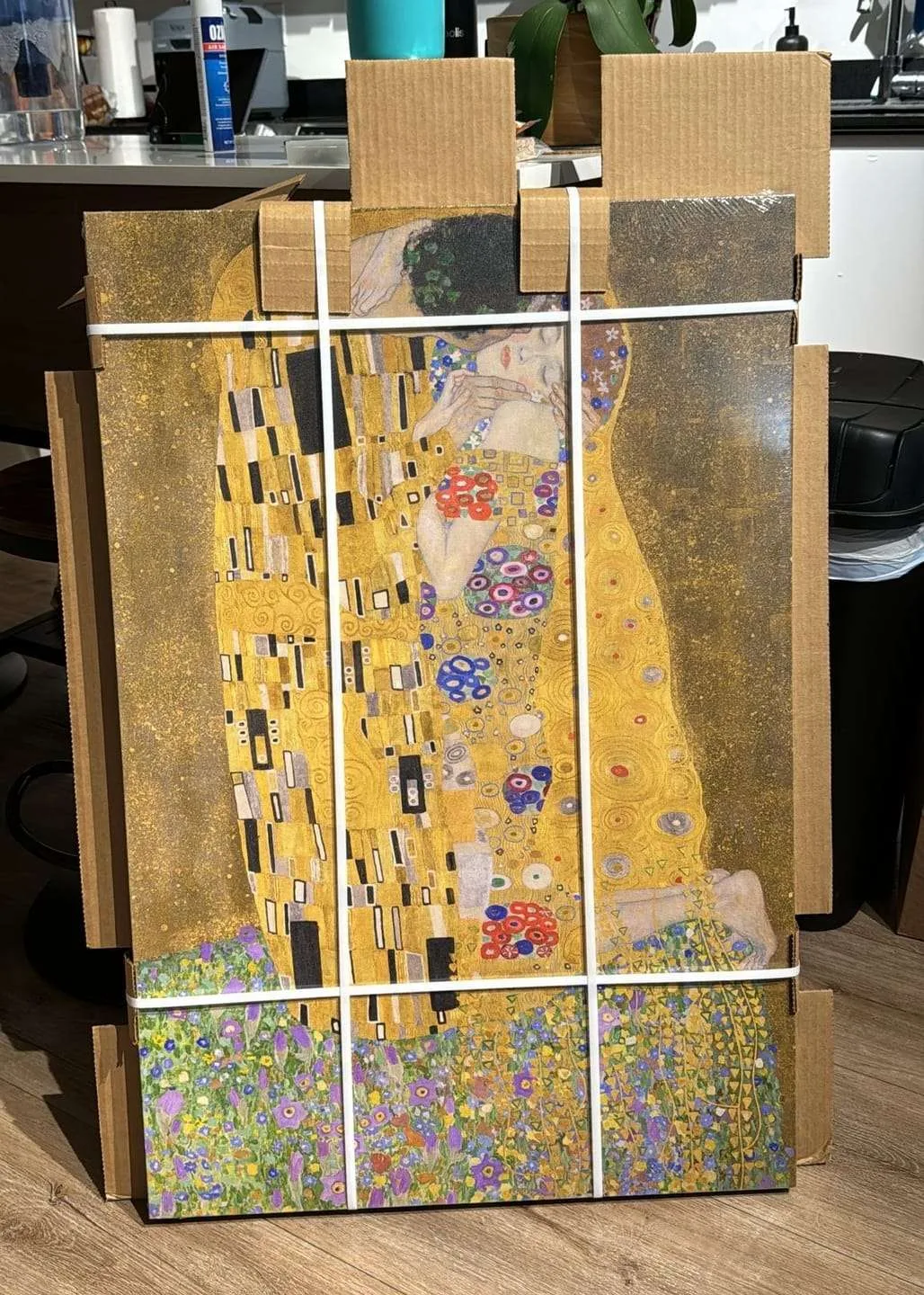
Absolutely gorgeous! Im an avid art lover and now I have five Klimt’s and a Cailbotte!
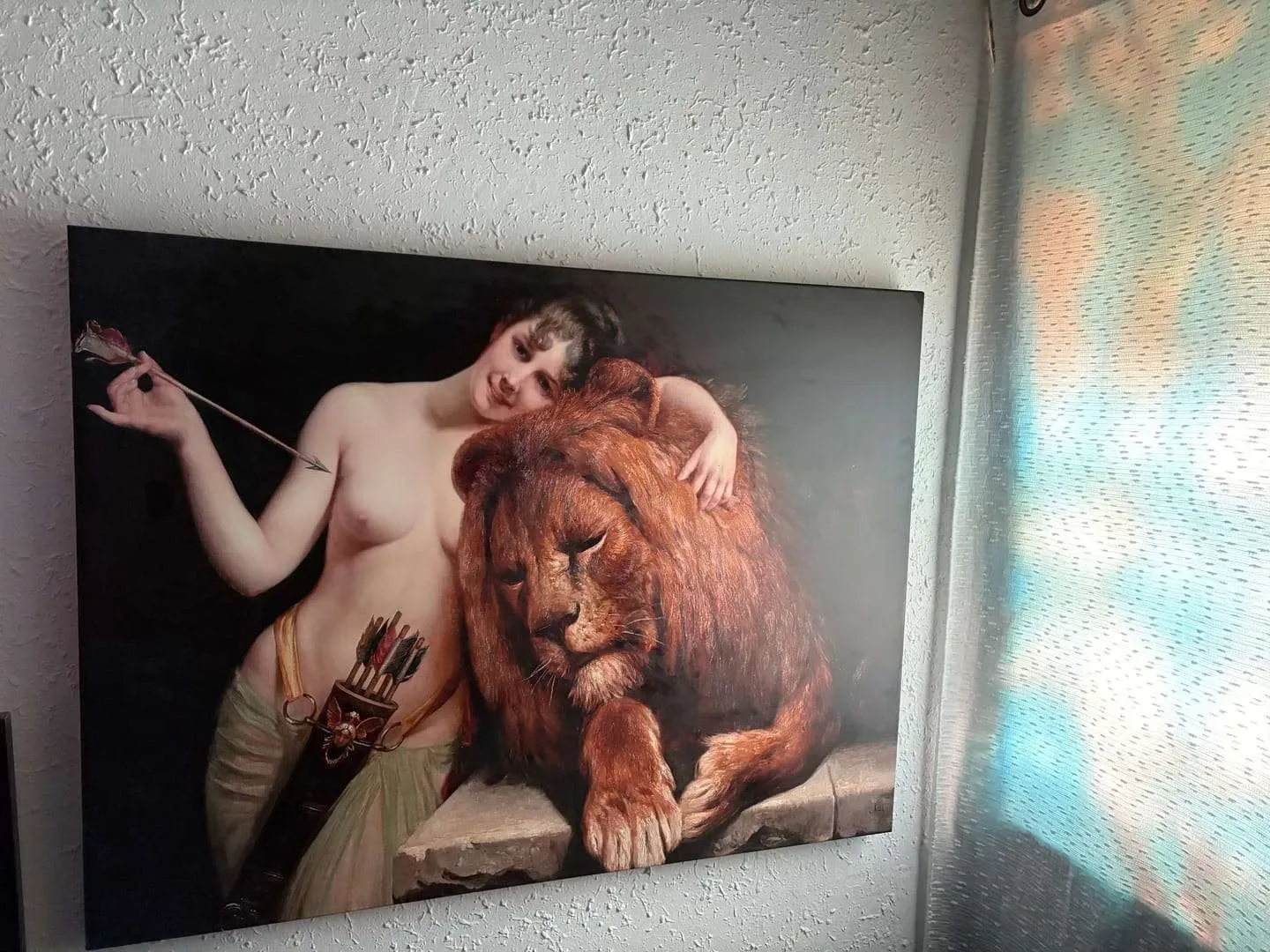
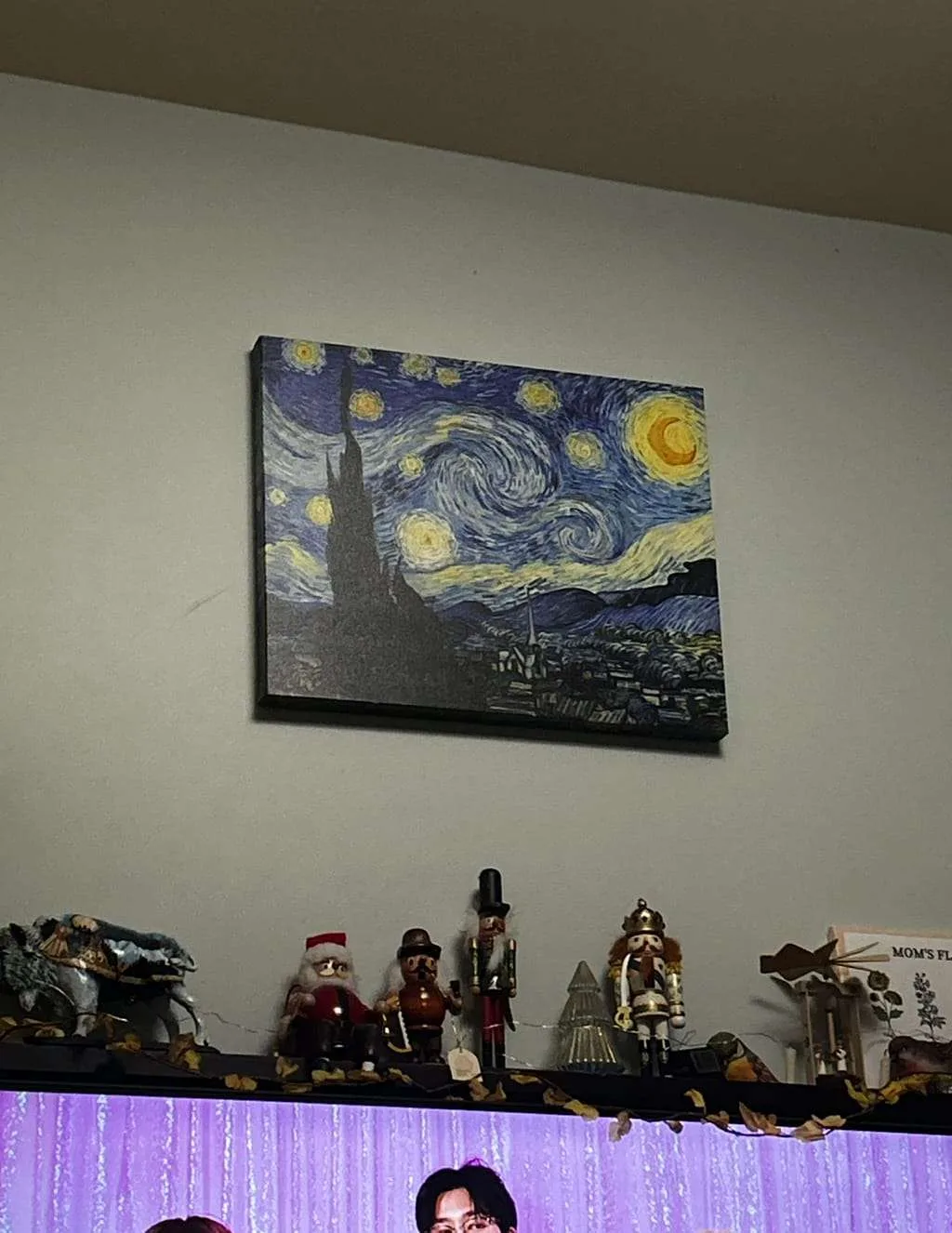
This is absolutely beautiful! its my favorite artwork and im so happy I got this for my home. packaged well and arrived in mint condition
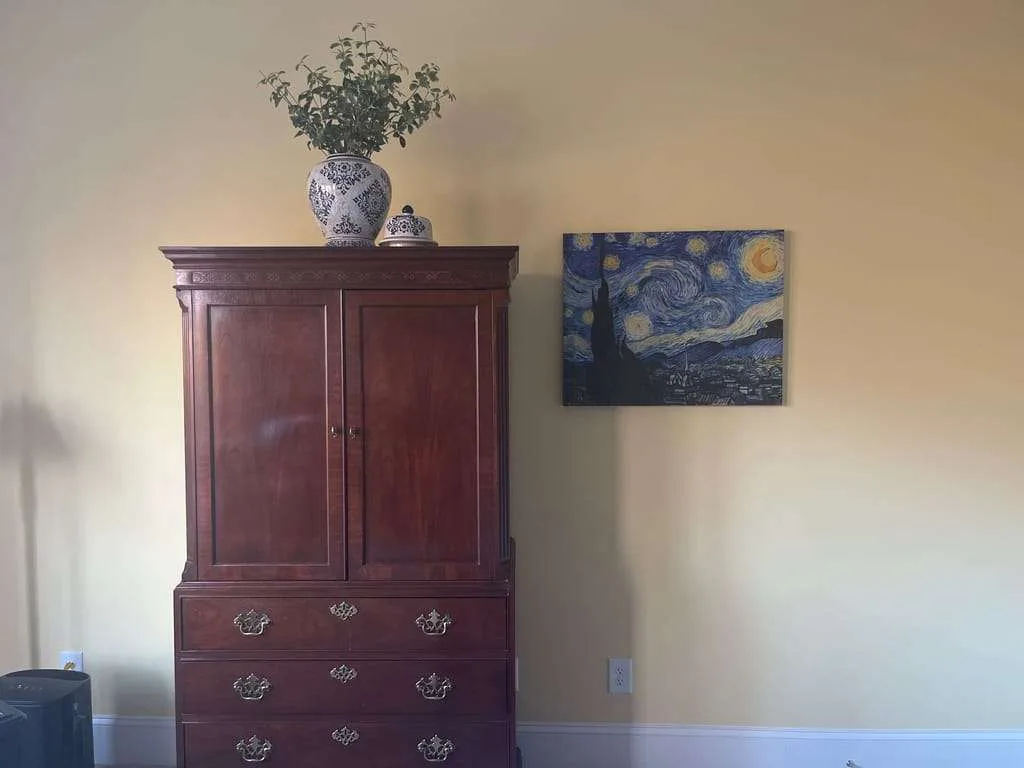
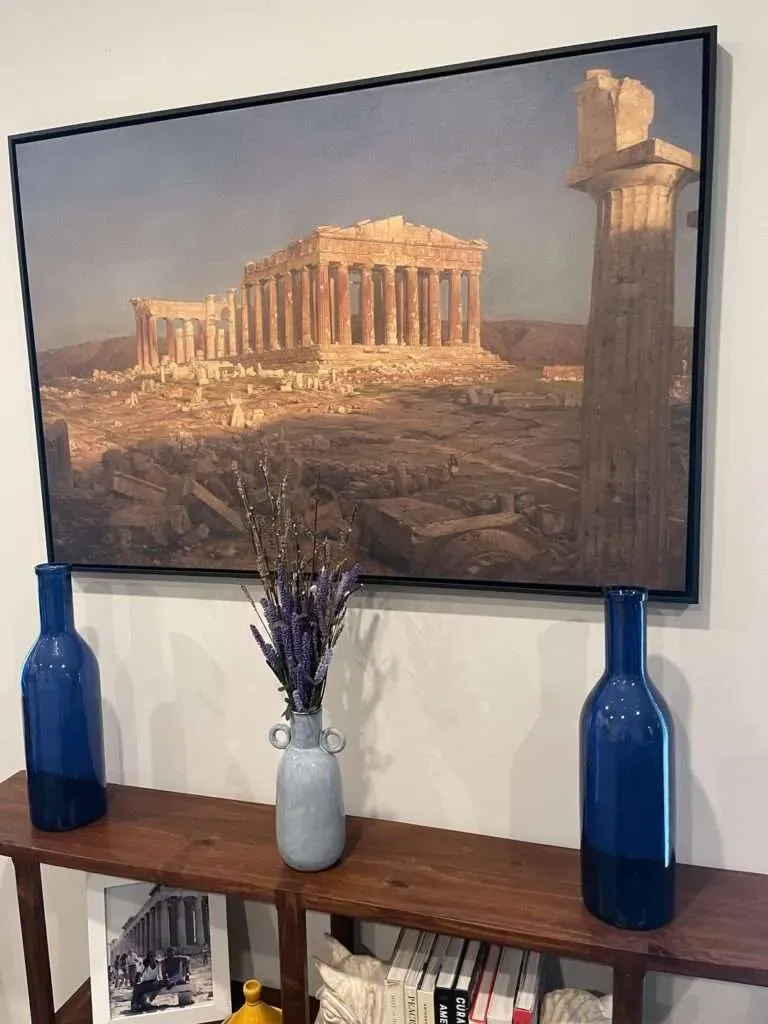
Beautiful, looks high quality. turned out just as brilliant and mysterious as we hoped!
Flexible options
Available in multiple sizes and premium finishes, each piece can be customized to perfectly complement your space and aesthetic vision.
Archival quality
Professional-quality prints using fade-resistant inks and archival materials that preserve color and detail.
Worldwide delivery
Fast, reliable shipping with full tracking to your doorstep, wherever you are in the world, ensuring your artwork arrives safely.
Fair pricing
Art transforms everyday moments. We believe everyone deserves beautiful art prints at honest prices.